Blog
-
 Posted: December 30, 2025Read more
Here's something that'll make you think twice: improper fuel storage causes thousands of workplace incidents annually, and the fines alone can cripple a small business. Yet walk through most shops and job sites, and you'll spot violations everywhere: old milk jugs holding gasoline, rusty cans with broken spouts, mystery liquids in unmarked containers. Let's get this sorted before OSHA shows up at your door.
OSHA Safety Gas Can Regulations (What You Must Comply With)
OSHA doesn't mess around with flammable liquid storage. Neither does your insurance company, for that matter. The standards aren't suggestions. They are requirements backed by decades of fire science and way too many accident reports.
OSHA Requirements for Approved Safety Gas Cans
OSHA-approved gas cans must meet specific design criteria. We're talking flame arresters, pressure relief mechanisms, and self-closing lids. That beat-up can
-
 Posted: December 04, 2025Categories: Truck & Van EquipmentRead more
Your work van is more than just transportation. It's a mobile workshop, supply room, and office rolled into one. But here's the thing: a disorganized van costs you time, money, and probably your sanity when you're digging through piles of gear looking for that one specific tool. Let's fix that.
Why Work Van Organization is Critical for Productivity, Safety, and Profitability
Picture this scenario. You're at a job site, client watching, and you spend ten minutes searching for the right fitting buried somewhere in your cargo area. Not exactly professional, right? Beyond the embarrassment factor, poor van organization leads to damaged equipment, wasted fuel from carrying unnecessary weight, and those frustrating inventory mix-ups where you thought you had something but didn't.
A properly organized van changes everything. You'll knock out more service calls per day, reduce equipment damage, and honestly, you'll feel better starting each
-
 Posted: October 31, 2025Categories: Material Handling & StorageRead more
When it comes to moving things around your workspace, whether it’s heavy machinery, a towering shelf unit, or just a simple utility cart, have you ever stopped to think about the unsung heroes making it all possible? We’re talking about caster wheels.
At Industrial Products, we know choosing the right casters isn’t just a minor detail. It’s a big deal that affects efficiency, safety and even the life of your equipment and floors. So let’s dive into the world of industrial casters and arm you with everything you need to pick the perfect set for your needs.
What Is a Caster Wheel? Definition, Components, and Uses
Simply put, what is a caster wheel? It’s more than just a wheel. A caster is a wheel assembly designed to be attached to the bottom of a larger object to enable movement. It typically consists of a wheel, a bearing and a mount. From office chairs to hospital gurneys and certainly throughout
-
 Posted: October 15, 2025Read more
Setting up the right storage system can make or break your warehouse operations. Two terms that get thrown around interchangeably are "racking" and "shelving," but there’s actually a big difference between racking and shelving that every facility manager should know.
Getting this wrong can mean wasted space, damaged products, and frustrated workers. Getting it right? That’s where the magic happens - improved workflow, better inventory control and big cost savings. Let’s break down what sets these storage solutions apart and help you figure out which one is for you.
Shelving: The Versatile Workhorse
Think of shelving as the Swiss Army knife of warehouse storage. It’s adaptable, user-friendly, and works in just about any environment. Walk into an office, retail store or small warehouse, and you’ll likely see shelving in action.
The beauty of shelving is its simplicity. Workers can grab
-
 Posted: August 22, 2025Read more
Electricians face unique drilling challenges that demand specialized tools and techniques. Working around live circuits, through mixed materials, and in confined spaces requires more than standard drill bits. The right equipment prevents accidents, ensures code compliance, and delivers professional results.
Why Electrical Work Demands Specialized Bits
Electrical installations involve drilling through wood framing, metal studs, concrete, drywall, and existing conduit within single projects. Each material requires specific bit characteristics for safe, efficient penetration. Using inappropriate bits can cause breakage, create safety hazards, or damage surrounding electrical components.
Most drilling accidents happen to experienced electricians who become overconfident with familiar tools. Worn bits, wrong material choices, or rushed installations can transform routine work into dangerous situations.
Essential Drill
-
 Posted: August 07, 2025Read more
Every year, thousands of people get injured when they could have been saved if they had just known how to use a ladder. Whether it’s a homeowner cleaning gutters on a weekend or a construction worker accessing elevated workspaces, the same basic principles apply. Knowing these principles isn’t just about following rules – it’s about saving lives and preventing accidents that can change everything in an instant.
Why Ladder Safety Matters More Than Ever
The Hidden Dangers of Ladder Use
Ladders seem simple, but they present unique challenges that catch many people off guard. The combination of height, balance, and often time pressure creates scenarios where small mistakes can have big consequences. Unlike other tools, ladders require you to literally put your life on the line, so safety knowledge is key.
Common Scenarios That Lead to Accidents
Most ladder accidents don’t
-
 Posted: June 30, 2025Read more
You're standing in your facility, looking up at that piece of equipment that needs maintenance, and suddenly you're faced with a decision that seems simple but really isn't: which is better aluminum or fiberglass ladder for your specific job?
I've been in this exact situation more times than I can count, and let me tell you - choosing the wrong ladder doesn't just slow down your project. It can create serious safety hazards that nobody wants to deal with. Whether you're managing an industrial facility or working as a contractor, getting this decision right matters more than you might think.
Let's Talk About What Really Makes These Ladders Different
Here's the thing about the fiberglass vs aluminum ladder debate - it's not just about picking the shiniest option or going with whatever's cheapest. These materials behave completely differently in real-world situations.
I remember working with a maintenance team that kept
-
 Posted: June 16, 2025Read more
Exterior construction projects demand the right equipment to get the job done safely and efficiently. Whether installing new siding, touching up paint on a three-story building, or replacing windows on a commercial structure, having reliable access to elevated work areas can make or break a project timeline.
Pump jack scaffolding systems have become the go-to choice for many contractors who need adjustable, dependable access without the complexity of traditional frame scaffolding. But with so many options flooding the market, picking the right system isn't always straightforward.
The wrong choice leads to wasted time, frustrated crews, and potentially dangerous situations. The right system transforms challenging projects into manageable tasks while keeping workers safe and productive.
What Makes Pump Jack Systems Different
Traditional scaffolding requires assembly piece by piece, often taking hours to set up properly.
-
 Posted: April 29, 2025Read more
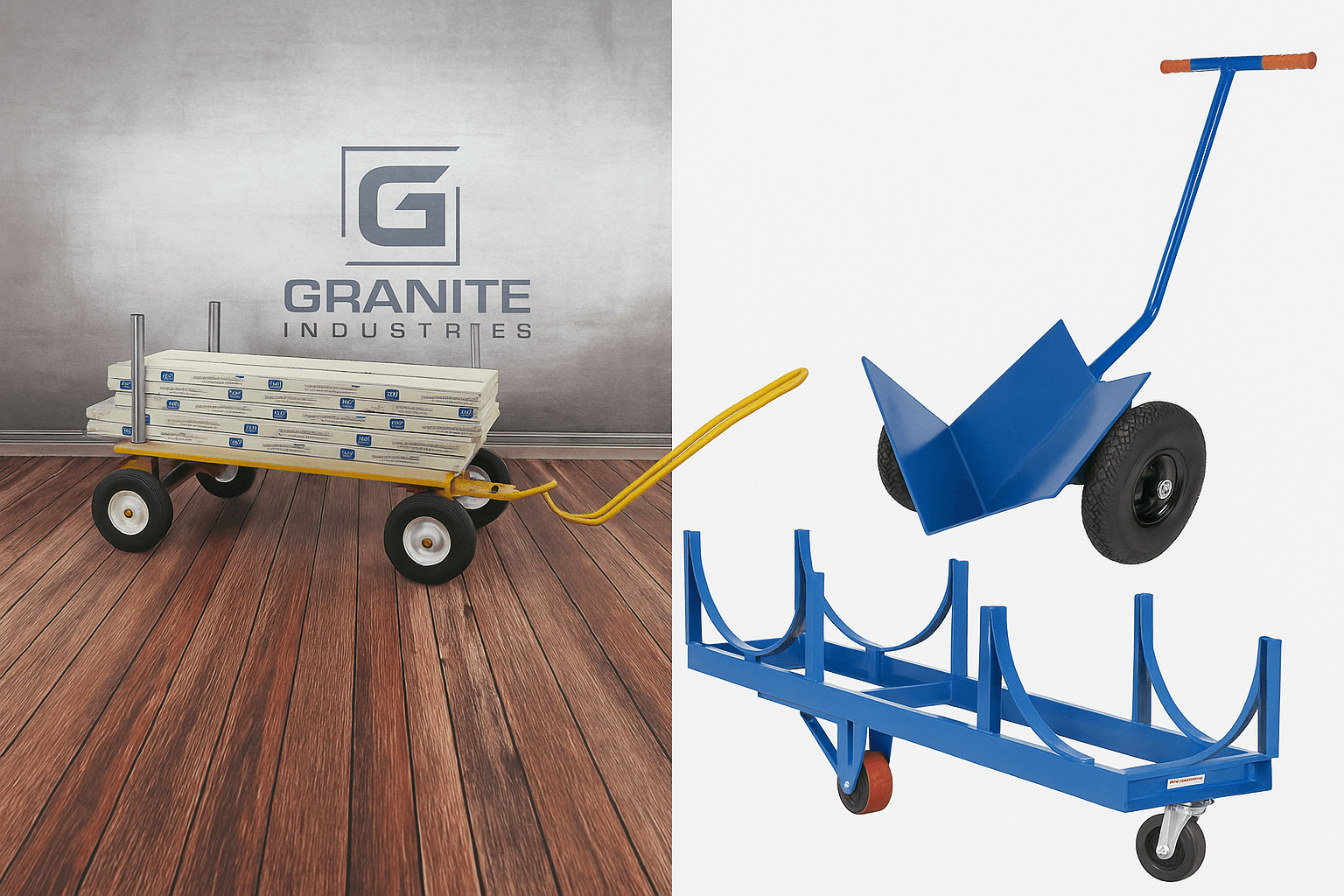
Pipe Cart at Worksite: An Overview
Industrial workspaces frequently need material handling carts to move heavy barrels, pipes, and cylinders for various tasks and managing material. The pipe cart is a kind of material handling equipment that enables workers to safely and conveniently carry, move, and store pipes, drums, barrels, and other cylindrical materials at worksites. It has a large and open design for easier loading and unloading of the material with the help of forktrucks and slings. This pipe-handling equipment has mounted wheels to push and drag it around the facility and is stacked for shipment and storage for easy maneuvering of materials.
Pipe Cart Benefits: Enhances Operational Excellence
Industrial workshops and manufacturing sites have the movement of pipes and other cylindrical
-
 Posted: April 14, 2025Read more
Workplace and Safety: An Overview
Workplace safety is the responsibility of industries and construction sites to ensure that workers, employees, and resources get a safe workplace by following safety norms and industry standards to mitigate injuries due to hazardous situations like fire, electrical issues, and physical injuries. According to OSHA - the Occupational Safety and Health Administration, “The main goal of safety and health programs is to prevent workplace injuries, illnesses, and deaths, as well as the suffering and financial hardship these events can cause for workers, their families, and employers.” It makes your workplace compliance-ready and a preferable place where the workforce feels safe to work and helps improve productivity. Construction sites are one of those industrial spaces that are more prone to workplace injuries and illnesses when safety measures are lacking. At construction