
Bar Racks
Bar storage racks are engineered to handle the challenges of long material storage, including heavy-weight loads, cantilever forces, and easy loading and unloading access. These systems are built with heavy-duty construction and reinforced support structures to handle the concentrated loads of metal stock storage. The design considerations are both structural integrity and operational accessibility.

-
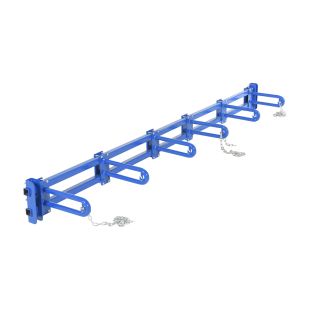
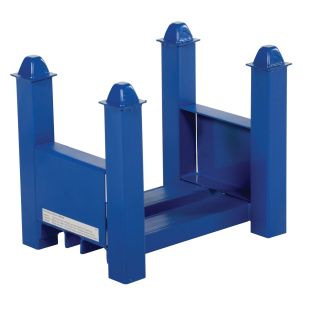 Vestil CRAD Series Steel Stackable Bar Cradles
Starting at $91.14
-
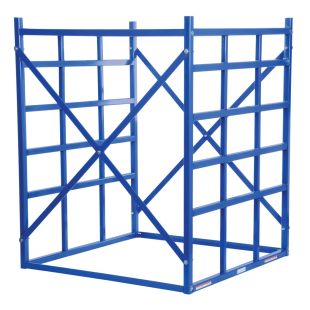
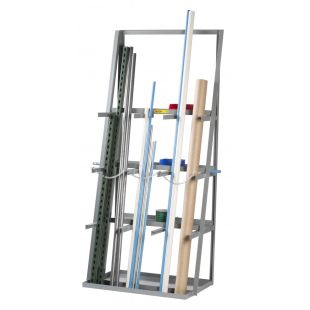
 Vestil SSRT Series Steel Vertical Bar Storage Racks
Starting at $402.09
-
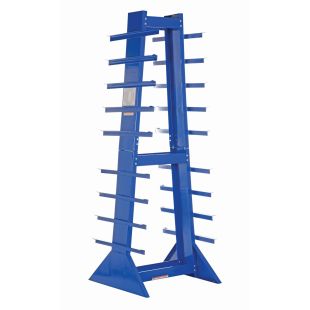
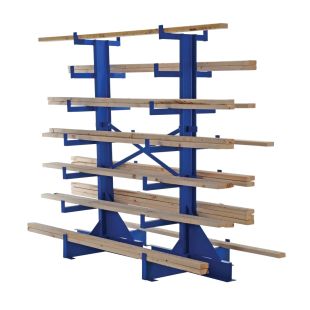 Vestil Bar Stock Trees - Single and Double Sided
Starting at $490.30
-
-
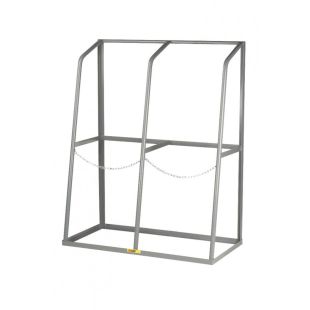
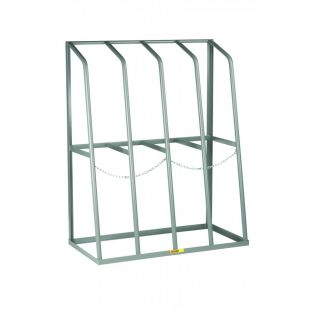 Little Giant Steel Vertical Bar Racks
Starting at $364.23
Warehouse storage racks for bar stock applications must integrate with facility layout and material handling equipment to optimize workflow. These systems often have configurations for forklift access, overhead crane operations and manual handling requirements. The rack design must balance storage density with accessibility for inventory management. The vertical design often includes graduated lengths within single bays, allowing efficient storage of mixed-length materials.
Horizontal bar racks provide easy access for manual material selection and handling, featuring storage configurations that support materials along their length. These systems are particularly valuable for facilities requiring frequent material access and custom-length cutting operations. The horizontal design is for easy loading and unloading while keeping materials organized.
Steel bar stock storage racks are engineered for the demanding requirements of metal stock storage with heavy-duty construction and capacity ratings for steel materials. These systems must handle heavy-weight loads while providing safe access for material selection and handling. The construction typically includes reinforced support members and appropriate safety factors for steel storage applications.
Industrial material storage racks encompass comprehensive storage solutions for various long materials, including metals, plastics, and composite materials. These versatile systems often feature adjustable configurations accommodating different material types and lengths within single installations. The industrial design is for commercial and manufacturing environments.
Cantilever racks are a specific design approach using single-sided support structures that eliminate front columns for unobstructed access for long material storage. These systems are great for materials loaded and unloaded from the front, such as lumber, pipe, and structural materials. The cantilever design requires engineering to ensure stability under loaded conditions.
Pipe racks are for pipe and tubing storage with designs that prevent rolling and organized storage for various diameters and lengths. These specialized systems often include graduated storage levels and secure retention systems, preventing pipe movement during storage and retrieval operations.
FAQs:
1. What are the different types of bar racks available?
Bar racks include vertical bar racks for maximum storage density and horizontal bar racks for easy material access. Cantilever racks provide unobstructed front access for long materials. Steel bar stock storage racks feature heavy-duty construction for metal storage applications. Pipe racks offer specialized storage for cylindrical materials. Industrial material storage racks provide versatile solutions for various material types. Warehouse storage racks accommodate different facility layouts and material handling equipment requirements.
2. How do I determine the right size and capacity for a bar rack?
Selecting bar storage racks requires evaluating material weights, lengths, and storage volume requirements. Steel bar stock storage racks need capacity ratings appropriate for metal stock weights and safety factors. Vertical bar racks sizing depends on facility height and the material lengths stored. Horizontal bar racks require adequate bay depths for the longest materials. Industrial material storage racks specifications should include future expansion and changing inventory requirements. Professional rack design considers material handling equipment and facility layout constraints.
3. How do I choose between vertical and horizontal bar racks?
Vertical bar racks maximize storage density and work well with overhead crane material handling systems. Horizontal bar racks provide easier manual access and work better with forklift material handling. Bar storage racks selection depends on material handling frequency, facility height, and available floor space. Warehouse storage racks configuration should match material flow patterns and inventory turnover rates. Steel bar stock storage racks may use vertical storage for bulk stock and horizontal storage for frequently accessed materials.
4. What are the advantages of using bar racks for material handling and organization?
Bar racks provide organized storage, preventing material damage and improving inventory management. Bar storage racks maximize storage density while maintaining material accessibility. Industrial material storage racks improve workplace safety by eliminating floor storage and reducing manual handling. Warehouse storage racks optimize facility space utilization and improve material flow efficiency. Steel bar stock storage racks protect valuable materials from damage while improving inventory accuracy and reducing material waste through better organization.